
Key Takeaways
- Form 1120-F is mandatory for foreign corporations engaged in a US Trade or Business (USTB), even if no tax is payable.
- Effectively Connected Income (ECI) is taxed at regular corporate rates, currently 21%, and drives most Form 1120-F computations.
- Protective Form 1120-F filings must be made by the 15th day of the 4th month after year-end to preserve deductions and credits.
- The Branch Profits Tax (30%) applies to effectively connected earnings repatriated from US operations, subject to treaty reductions.
- Tax treaties shift analysis from USTB to Permanent Establishment (PE), often eliminating US tax exposure if no PE exists.
- Treaty-based positions generally require disclosure and careful documentation to mitigate audit and penalty risks.
Introduction
As Indian Chartered Accountants expand into US tax compliance, Form 1120-F quickly becomes one of the most technically demanding filings you will encounter. Many Indian-headquartered companies now sell into the US, provide services remotely, or maintain limited on-ground presence through agents or subsidiaries. Each of these fact patterns can unexpectedly trigger US corporate tax exposure.
This article is written to help Indian CAs advise clients—not as taxpayers, but as practitioners responsible for determining filing obligations, income characterization, and treaty positions. We focus on when Form 1120-F is required, how Effectively Connected Income drives taxability, and why protective filings and treaty analysis are critical risk-management tools.
By the end, you will understand how to link US Trade or Business analysis to ECI exposure, identify when branch profits tax applies, and confidently evaluate treaty-based positions. This knowledge directly enhances your ability to offer US tax preparation services with accuracy and credibility.
What Is Form 1120-F and Who Must File
Definition of a Foreign Corporation
For US tax purposes, a foreign corporation is any corporation not created or organized under US federal or state law. This includes Indian companies incorporated under the Companies Act, LLPs treated as corporations for US tax purposes, and other non-US legal entities.
Foreign status alone does not create a filing obligation. The obligation arises when the foreign corporation has US-source income, a US trade or business, or seeks to claim deductions or treaty benefits.
Purpose of Form 1120-F
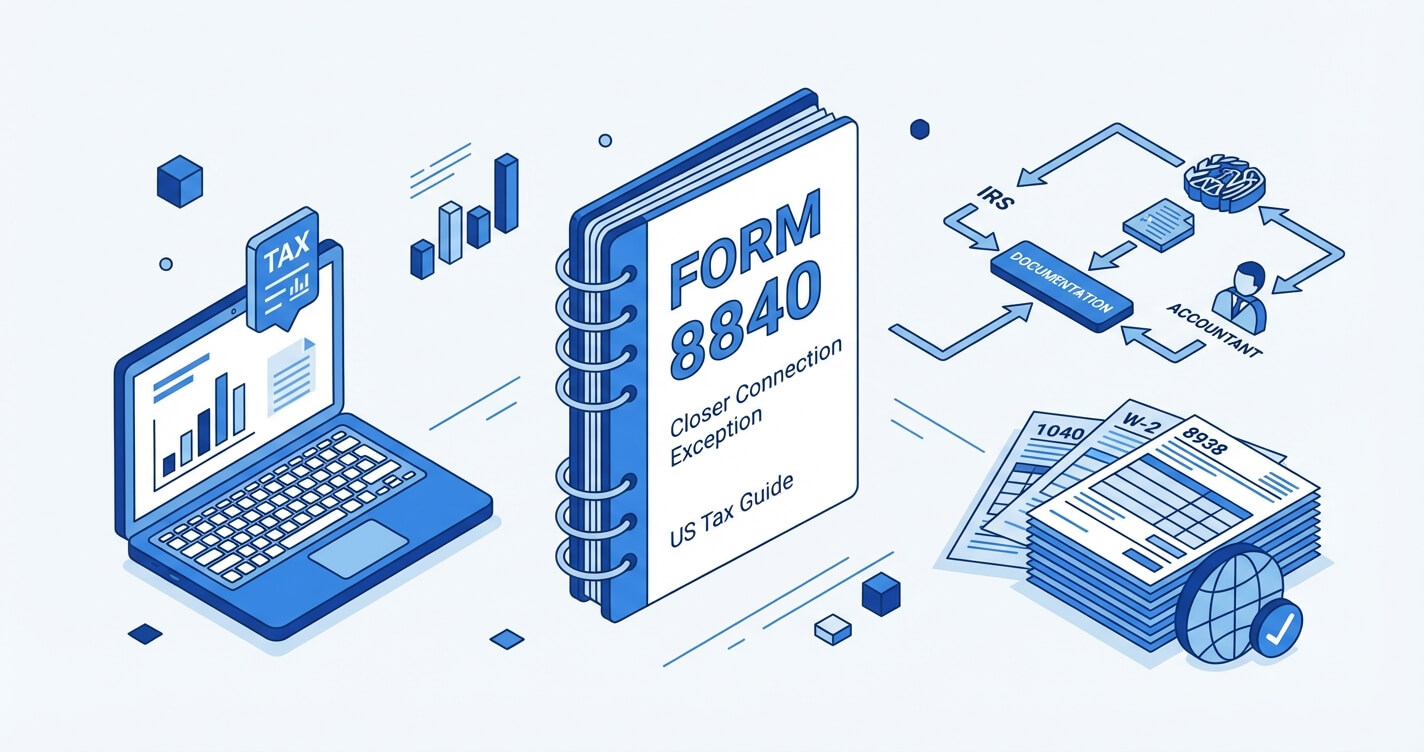
Form 1120-F is the US income tax return used by foreign corporations to report US income, calculate tax on ECI, and disclose treaty-based positions. It is the primary compliance mechanism through which the IRS assesses US corporate tax exposure.
The IRS overview of Form 1120-F confirms that the form is required even where the final tax liability is nil.
Form 1120 vs. Form 1120-F
| Aspect | Form 1120 | Form 1120-F |
|---|---|---|
| Applicable Entity | US domestic corporations | Foreign corporations |
| Income Scope | Worldwide income | US-source income only |
| Key Focus | General corporate tax | ECI and treaty analysis |
Practitioner Tip: Many Indian clients mistakenly assume that absence of incorporation in the US eliminates filing obligations. Always start with US nexus and income source analysis.
When Is Form 1120-F Required to Be Filed
Engaging in a US Trade or Business
A foreign corporation is considered engaged in a US Trade or Business (USTB) if it conducts considerable, continuous, and regular business activities in the US. This is a facts-and-circumstances test.
Activities such as on-site services, sales teams, or dependent agents in the US often trigger USTB status. Once a USTB exists, all income effectively connected to that business becomes taxable.
Income With or Without Effectively Connected Income
Form 1120-F is required not only when ECI exists, but also when the foreign corporation wants to claim deductions, credits, or treaty benefits. Even FDAP income situations may require filing if deductions are sought.
This creates a direct linkage: USTB determination → ECI exposure → Form 1120-F filing obligation.
Protective Form 1120-F Filings
A protective Form 1120-F is filed when a foreign corporation believes it does not have a USTB but wants to preserve the right to deductions if the IRS later disagrees.
The protective filing must be timely and complete, even if income and tax are reported as zero. Failure to file protectively can permanently forfeit deductions.
Practitioner Tip: Protective filings are a strategic defense tool for Indian companies with ambiguous US presence—always recommend them in borderline cases.
Effectively Connected Income (ECI) Explained
What Is Effectively Connected Income
ECI is US-source income that is economically connected to a US Trade or Business. It is the central concept governing taxation under Form 1120-F.
The IRS applies two tests: the asset-use test and the business-activities test. Meeting either can result in ECI classification.
Common Examples of ECI
Examples include services performed in the US, sales income from US inventory, and income from US-based employees or dependent agents.
Even remote services may become ECI if significant activities occur within the US.
ECI vs. FDAP Income
| Category | ECI | FDAP |
|---|---|---|
| Tax Rate | 21% net basis | 30% gross basis |
| Deductions Allowed | Yes | No |
| Reported On | Form 1120-F | Form 1042/1042-S |
Practitioner Tip: Misclassifying ECI as FDAP is a common audit trigger—always document your ECI analysis.
Understanding the Branch Profits Tax
What Is the Branch Profits Tax
The Branch Profits Tax (BPT) is designed to replicate dividend withholding tax that would apply if a US subsidiary distributed profits.
It applies at 30% on effectively connected earnings deemed repatriated.
How the Branch Profits Tax Is Calculated
BPT is calculated on effectively connected earnings and profits, adjusted for changes in US net equity.
Treaty reductions are available, but only with proper documentation.
Interaction With Form 1120-F
BPT is reported directly on Form 1120-F. Many foreign corporations overlook this liability entirely.
Practitioner Tip: Always evaluate BPT exposure once ECI is established—ignoring it is a major compliance risk.
Treaty Benefits and Treaty Position Analysis
How Tax Treaties Affect Form 1120-F
US tax treaties can reduce or eliminate tax on business profits if treaty conditions are met.
For Indian entities, treaty analysis is often decisive in determining whether Form 1120-F results in tax payable.
Permanent Establishment vs. US Trade or Business
Under treaties, business profits are taxable only if the foreign corporation has a Permanent Establishment (PE) in the US.
This is a narrower concept than USTB and focuses on fixed places of business and dependent agents.
Disclosure of Treaty-Based Positions
Treaty-based positions must be disclosed on Form 1120-F and may require Form 8833.
Failure to disclose can lead to penalties and denial of treaty benefits.
Practitioner Tip: Always reconcile domestic USTB rules with treaty PE analysis—never assume they align.
Practical Filing Considerations and Common Mistakes
Deadlines, Extensions, and Penalties
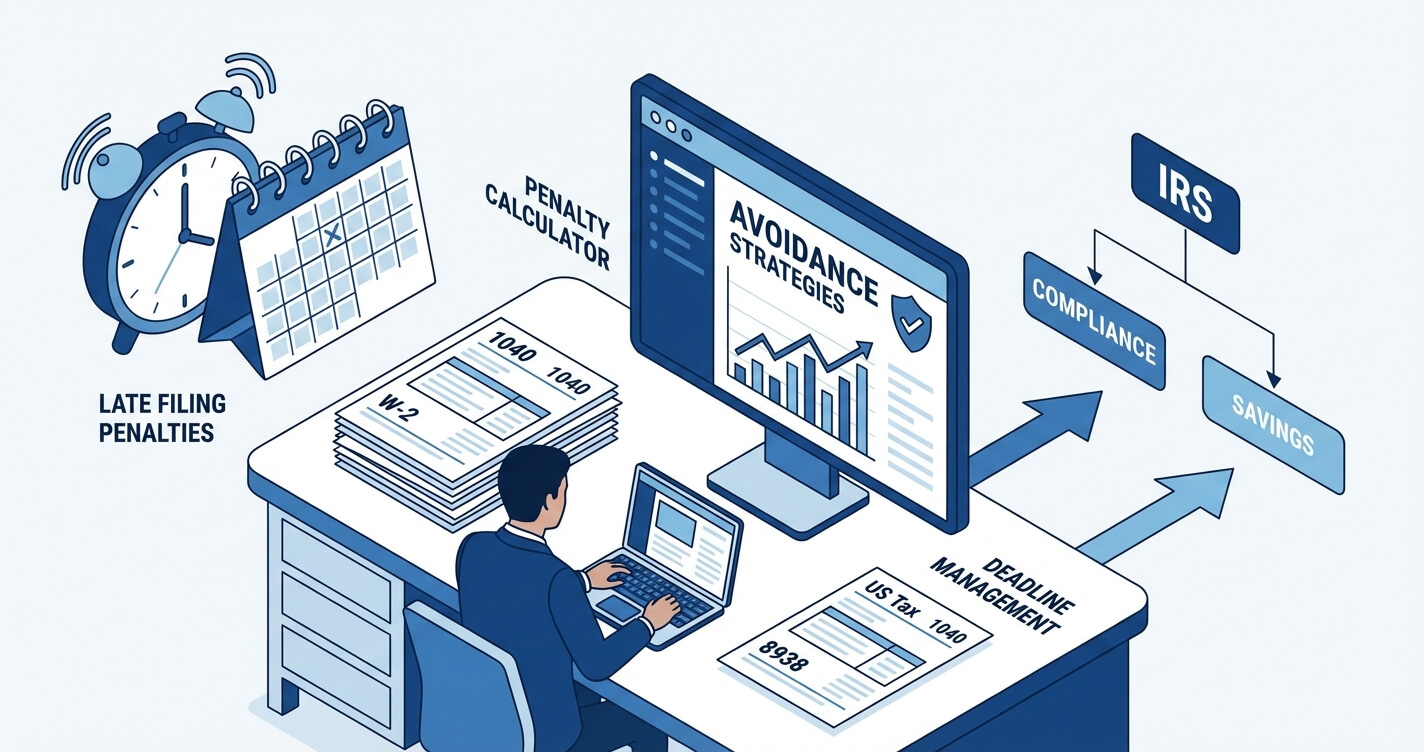
Form 1120-F is due by the 15th day of the 4th month after year-end. Extensions are available but do not extend payment deadlines.
Documentation and Recordkeeping
Maintain contracts, travel records, and agent agreements to support USTB and PE analysis.
Refer to the IRS Instructions for Form 1120-F for detailed schedules.
When to Seek Professional Guidance
Complex treaty or ECI cases should always involve US international tax specialists.
Practitioner Tip: Early advisory involvement reduces compliance risk and rework.
Conclusion
Form 1120-F sits at the intersection of US domestic tax law and international treaty interpretation. For Indian CAs, mastering this form enables confident expansion into US corporate tax services.
Understanding USTB triggers, ECI classification, protective filings, and treaty PE analysis is essential to delivering defensible compliance outcomes.
If you are building or scaling US tax capabilities for your firm, consider partnering with a qualified US international tax advisor or a white-label provider like FlowTax.ai to support Form 1120-F preparation and treaty analysis tailored to each client’s facts.
FAQ
When should an Indian company file Form 1120-F?
An Indian company should file when it has US-source income, engages in a US Trade or Business, or wants to claim deductions or treaty benefits. Filing may be required even if no tax is due. Protective filings are recommended in uncertain cases.
Is Form 1120-F required if there is no US tax payable?
Yes. The filing obligation exists independently of tax liability. Failure to file can forfeit deductions permanently.
How does a treaty override US domestic tax rules?
Treaties can limit taxation to cases where a Permanent Establishment exists. This can eliminate ECI taxation despite USTB presence. Disclosure is mandatory.
What is the biggest risk of not filing protectively?
The loss of deductions and credits if the IRS later asserts a USTB. This risk is irreversible. Protective filing preserves rights.
Does having US customers create ECI?
Not by itself. ECI depends on where activities occur and whether US assets or personnel are involved.
How is Branch Profits Tax different from corporate tax?
Corporate tax applies to net ECI. Branch Profits Tax applies to deemed repatriation of those profits.
Can treaty benefits reduce Branch Profits Tax?
Yes. Many treaties reduce the BPT rate, subject to conditions and disclosure.
What documents support PE analysis?
Contracts, agent agreements, office leases, and travel logs are critical. Substance always overrides form.
Is Form 8833 always required for treaty positions?
Not always, but often. Evaluate disclosure thresholds carefully to avoid penalties.
Should Indian CAs prepare Form 1120-F in-house?
Basic cases may be handled internally, but complex ECI or treaty matters benefit from US specialist support.